
How To Qualify For A Mortgage: Tips To Improve Your Credit Score; Mortgage qualification is among the largest hindrances to becoming a homeowner and many intended homeowners have found themselves jettisoning their plans just because they couldn’t find a lender ready to offer them a loan for a home in Nigeria. Are you a refinance homeowner or a first-time homeowner? It is very important that you first recognize how your economic well-being is assessed by lenders-as this will help you to get adequately prepared, and most of all, your credit score. With a perfect credit score, not only are you boosting your chances of getting approved for your mortgage, but you’re locking in better interest rates and avoiding potentially thousands of dollars throughout your loan.
This guide will walk you through the mortgage qualification process, expose the secret to why your credit score is important, and provide you with practical tips on how to become an acceptable credit risk, a good mortgage applicant in 2025.
Important Things To Know About Mortgage Qualification
In order to get how to improve your credit score, understanding the most important factors on which the lenders depend as the basis of their decision in approving a mortgage is crucial. Some of the important factors will be discussed below:
Credit score
Things have scaled up in Nigeria today as far as technology is concerned, in times past, things like credit scores didn’t have a place in the Nigeria financial market, but technology has pushed it into reckoning. Before you can get a loan for anything, including a mortgage, your credit score must be high. If you have borrowed money from some other financial intuitions without paying back, it will affect your credit score and may prevent you from getting loans from any other financial institution in the country.
Your credit score is a three-number score that reflects your creditworthiness from your credit record. It is one of the foremost predictors lenders have to determine risk. In 2025, all but nearly all traditional loans will ask for at least a 620 credit score, but government-insured loans permit 580 scores, with some leeway on even lower scores with higher down payments.
Debt-to-Income Ratio (DTI)
DTI can be defined as your gross monthly payments of installment debts from your gross monthly income. The lender will usually require a 43% DTI or lower, but up to 45-50% depending on the loan program and overall condition. As a first-time borrower, these terms may sound strange to you. Not to worry; your agent, lawyer, and any other professional you have in your team can guide you on the terms and how important they are to your borrowing effort.
Stability of employment and income
Many of the lenders in Nigeria would like to know if your financial capability is stable before borrowing you money for a mortgage. A lender prefers stability of employment and income as this gives an insight into the ability of the borrower to pay back the loan. They usually require that you have been employed in your current job for at least a couple of years. Two years of continuity of employment history enables them to properly determine your reliability and trustworthiness. The lenders also require your income verification if you are self-employed and they usually require that you submit your bank statement along with the other required documents for loan processing.
Down payment
You will be required to make a down payment before you can access a loan from any of the conventional banks in Nigeria. The down payment indicates your commitment to the terms and conditions of the loan. Bear in mind that the down payment will vary according to the loan amount. A down payment as low as 3% can be required in first-time home buying by conventional loans. You can expect it to be high in some other instances; it all depends on the borrower you are dealing with. In fact, your loan application will not be attended to until you have made the down payment. If you have a good team around you, they can help you negotiate a better term with the lenders, thereby helping to reduce how much you will have to pay as a down payment for the loan.
Some other important factors
Many lenders will first determine the value of the property you want to buy before determining the specific terms for you. They also assess the location of the property. For example, a property located in the Lekki-Ajah axis of Lagos State cannot be compared to one located in a place likeAjegunle. Lenders will be more willing to loan you the money for a property in Lekki because of the high-brow neighborhood. Your cash reserve or liquidity is yet another factor that determines your ability to get a mortgage. You will easily get into the good books of borrowers if your cash reserve or liquidity is high; borrowers will also be more disposed to negotiating better loan terms with you. The title report is also weighed by the lenders so that you will be comfortable with the property and close the loan.
How your credit score is involved in mortgage approval
Your credit score affects how easily you can get a loan to buy a property and you should, therefore, not joke with it at all. If your credit score is high, your chance of getting a loan will be high. Not paying back previous loans can reduce your credit score, preventing you from getting another loan. Some of the ways in which your credit score can affect your ability to get a loan are highlighted below:
- Loan approval: The higher your credit score, the higher are your chances of loan approval.
- Interest rates: The higher the scores, the better the interest rates you can get; the higher your credit score will also give you access to smaller payments monthly, helping you to offset the loan more easily.
- Loan terms: If you have a good credit score, it can waive you out of PMI or approve you for more in the loan. Lenders will undoubtedly be more lenient to you in loan terms because of your high credit score.
- Down payment options: There are some options available with lower down payments for better credit scores.
In the United States, for example, most of the lenders use FICO® scores to determine the acceptability of a borrower for a loan; the score can range from 300 to 850. If your FICO score is above 740, this is considered as an excellent score and will undoubtedly get you qualified for the best loan terms in the market. Those who have FICO score between 620 and 740 are considered to have a good to fair score and can also access get a loan without much hassle from lenders. However, individuals who have FICO score below 620 will have their loan options restricted. To make up for the low FIC score, the lenders can ask you to pay additional down payments.
Minimum credit score requirements by loan type in 2025 (Global view)
| Loan type | Minimum credit score | Down payment requirements | Notes |
| Classic | 620 | As low as 3% | Best rates for 740+ |
| FHA | 580 (500-579 with 10% down) | 3.5% (or 10% if less than 580) | Flexible for lower scores |
| VA | No minimum (620 standard) | 0% | For eligible veterans |
| USDA | No minimum (640 standard) | 0% | For rural properties |
How to fix your credit score to qualify for a mortgage
Since credit score is a very important contributor to your ability to get a loan, then it is necessary to shore it up if it is low and cannot get you the loan you require. Fixing your credit score is a deliberate exercise and will undoubtedly require a lot of self-discipline and determination on your path. While doing this can be challenging especially if your source of income is limited, it is still essential to enable you to get the loan you require for the property. In this section of the informative write-up, we will provide you with helpful steps towards improving your credit score so that you can be more creditworthy for a mortgage:
Inspect your credit reports for mistakes
There are times that authorities can make mistakes in recording your credit score. So, you should not take their words for it but take some time to crosscheck and look for any errors. When you locate such errors, quickly rectify them as this can help to scale up your credit score. You must first obtain complimentary copies of your credit reports from the relevant authorities and examine them carefully. Thank goodness, it is now possible to get your credit score online in Nigeria, making it a lot easier for people to access and peruse their credit scores from home. When checking your credit score, look out for the following:
- Inaccuracy in your personal information
- Late accounts
- Paid account that still bears delinquent status (i.e., erroneous account status)
- Check for duplicates in loan records, which can erroneously lower your credit score
Once you locate any of these errors, you should not delay in reporting to the relevant authorities. In Nigeria, you can dispute these errors with the credit bureaus and they will assist with rectifying it. The error can be removed or corrected, which can easily increase your score. Note, however, that the correction may not happen immediately. It can take days at times, but you can rest assured that they will do the needful.
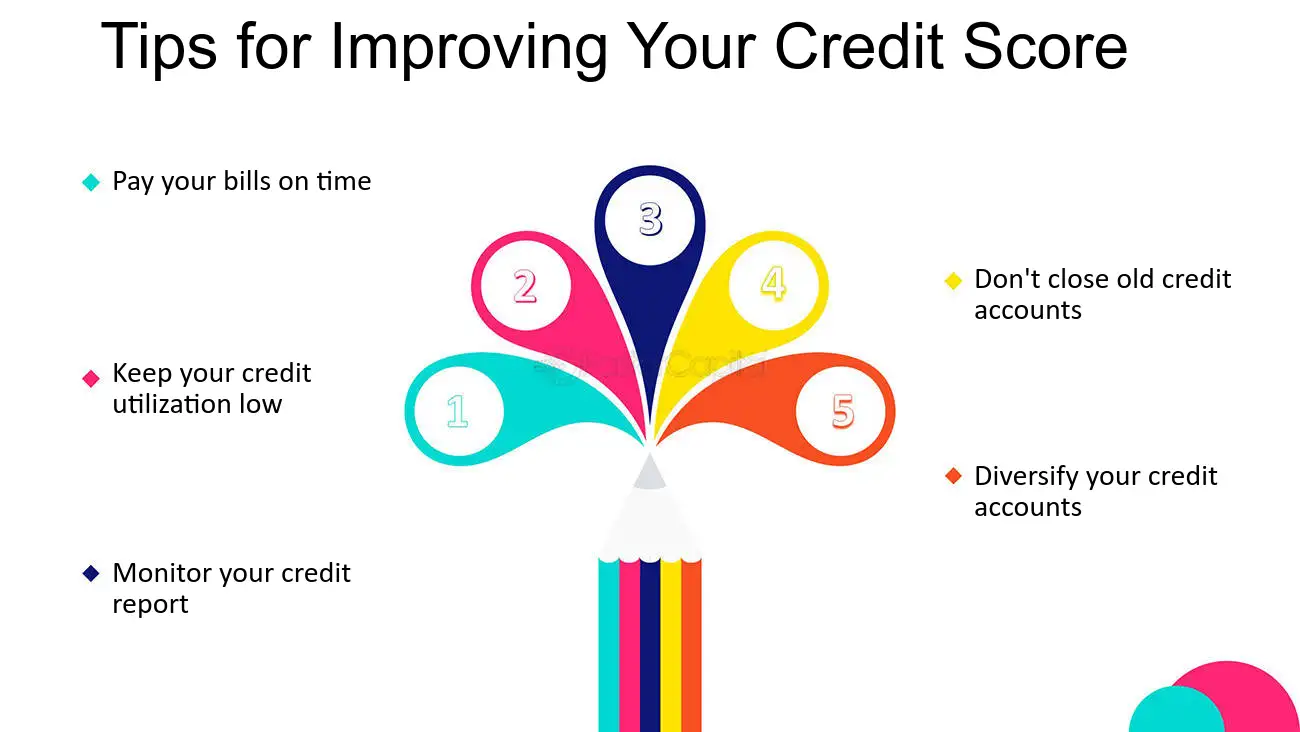
Pay your bills on time, every time
Your payment history can contribute a lot to your credit score. In fact, paying off your outstanding loans can boost your credit score by up to 35%, thereby qualifying you for the desired loan from conventional lenders. You can easily damage your credit score if you do not pay your debts and collections in time. Defaulting on your loans can also hurt your score. You should avoid these things as much as possible to help keep your credit score high in preparation for when you will need to take a loan. You can equally set automatic payments or calendar reminders to help remind you when it is time to pay any outstanding bill. This way, you will never miss a payment due date and avoid default. If you have late payments on your report, you should not hesitate to pay and continue paying to help you build your payment history and boost your credit score.
Pay down credit balances
Credit utilization can be defined as your credit card balances relative to your credit limits and it contributes up to 30% to your credit score. It is in your best interest to keep it under 30%. Things even get better if you can keep it under 10% as this will help you earn the maximum score and brighten your chance of getting a loan. You should consider reducing large balances before you go ahead with your mortgage application as this will have an extremely good effect on your credit score.
Avoid opening new accounts prior to application
You should never make the mistake of ever opening new accounts if you are planning to apply for a mortgage as this can negatively impact your credit score, making it difficult for you to get approval for the loan. Bear in mind that each new credit inquiry can lower your score slightly. If you open multiple new accounts in a short period, it will automatically signal risk to the lenders and can make them change their minds about giving you a loan. You should plan your mortgage application after you have stabilized your credit profile and also avoid applying for new credit cards or loans just before applying for a mortgage. It will save you from unnecessary stress and delays in loan applications.
Maintain older credit accounts
The longer you have been using your bank account, the better your chances of getting a loan. Lenders prefer to give loans to those who have been using their bank accounts for at least a couple of years since this enables them to better verify the reliability of the person taking the loan. Bear in mind that the length of your bank account history can contribute up to 15% to your credit score. You should avoid closing your old accounts to avoid losing points in your credit score; always have them open and active as this will help you to create a long credit history and brighten your chance of getting a loan. Closing the accounts can decrease your credit history as well as your score and you do not want that to happen.
Diversify your credit across all accounts
Having a mix of credit types can add up to 10% to your credit score. Examples of credit types are installment loans, credit cards, and mortgages. This means paying your loan installments on time and a regular update of your existing mortgage will further boost your score and brighten your chance of getting a new loan for the property. You should avoid opening accounts to diversify your credit. Instead of doing this, you simply need to have the credit required and you must be able to handle it responsibly.
Handle collections, judgments, and bankruptcies with care
You should know that previous bankruptcies or foreclosures will not necessarily rule you out for a mortgage. Nevertheless, they are followed by a waiting period (usually two years) and proof of credit re-establishment. Toa void this delay, it is advisable to clear your collections and outstanding judgments as this will better boost your credit record and mortgage worthiness.
How To Qualify For A Mortgage: Tips To Improve Your Credit Score; Other ways to enhance your mortgage application
You need to enhance your credit rating, but the lender also considers your overall financial health, as well. Try out these other recommendations:
- Lower your Debt-to-Income (DTI) Ratio: Pay off high-interest debt like credit card, auto, and school loans to lower payments. Lower DTI ratios improve mortgage approval chances.
- Save for a larger down payment: Larger down payments reduce lenders’ risk and will counteract a bad credit score. It also eliminates or reduces private mortgage insurance (PMI) premiums.
- Build cash reserves: Saving 2-6 months’ worth of mortgage payments in reserves demonstrates to the lender that you can afford an unexpected expense and enhances your chances of loan approval.
- Demonstrate steady work and income documents: Keep a steady job and obtain pay stubs, tax returns, and bank statements to provide evidence of stability of income.
- Look at government loans: If your credit score is beyond conventional loan ranges, government loans have less rigid credit and down payment requirements and can, therefore, benefit you.
Common mortgage qualification myths
You might have heard a lot of things about mortgage qualifications but it’s possible that many of these things are far from being true. In this section of the write-up, we will show you some of the most common myths, saving you from misinformation as far as mortgage qualification is concerned. Some of the myths will be highlighted below:
- 20% down payment required: Most loans require deposit much lower down payments nowadays, especially for first-time home buyers.
- No flawless credit required: A good score is definitely a help, but FHA loans qualify on lower scores if other credentials are compensating for it.
- Self-employed buyers are not eligible: Self-employed individuals can be eligible on paper by showing stability of income.
- The income must exceed some specified amount: There is no minimum; your repayment capability relies on your lender from your income and commitments.
Step-by-step guide to prepare for mortgage approval
- Obtain your credit reports and scores from all three bureaus.
- Dispute and fix any errors in your credit reports.
- Pay all bills in a timely manner and pay off credit card debt.
- Avoid new credit inquiries or loans prior to application.
- Gather employment, income, and asset documentation.
- Save for a down payment and cash reserves.
- Contact a mortgage broker or lender to determine your loan options.
- Get pre-approved to know your borrowing capacity and identify issues earlier.
- Ensure a steady improvement in your credit and financial record during the home shopping process.